You have 0 items in your cart
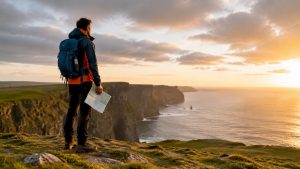
Ireland is an island nation and sovereign republic defined by its extraordinary blend of ancient history, living cultural traditions, and landscapes that look like they were painted by someone who had never heard the word “subtle.” With a population of approximately 5.4 million and Dublin as its capital and largest city, the Republic of Ireland covers 26 of the island’s 32 counties. Whether you are planning your first visit or your fifth, understanding the country’s identity, practical realities, and hidden rhythms will make the difference between a good trip and a genuinely memorable one.
What are the key cultural and historical aspects of Ireland travellers should know?
Ireland’s cultural identity is one of the most layered in Europe. The Irish language, known as Gaeilge, is the country’s first official language, though English is spoken everywhere. Road signs in the west and northwest are often bilingual, and you will hear Gaeilge spoken naturally in Gaeltacht regions like Connemara and the Aran Islands.
Historically, Ireland’s path to independence in 1922 shaped a national identity built on resilience and pride. The country is a parliamentary republic, and its political structure reflects a society that values community, debate, and a healthy scepticism of authority. That last quality is also what makes Irish conversation so entertaining.
Irish cultural life is rich with festivals and folklore. Key events include:
- St Patrick’s Festival (march): A multi-day celebration in Dublin with parades, concerts, and street theatre.
- Fleadh Cheoil: The world’s largest Irish traditional music festival, drawing hundreds of thousands of visitors annually.
- Samhain: The ancient Celtic festival that gave the world Halloween, still celebrated with particular enthusiasm in towns like Derry.
- Bloomsday (16 june): A literary pilgrimage through Dublin retracing the steps of James Joyce’s Leopold Bloom.
Irish hospitality is not a cliché. It is a genuine cultural value. Locals will give you directions, recommend their favourite pub, and ask where you are from within the first thirty seconds of conversation. Lean into it.
Pro Tip: If you want to experience authentic traditional music, skip the tourist pubs in central Dublin and head to smaller towns like Doolin in County Clare or Killarney in County Kerry. Sessions there are the real thing.
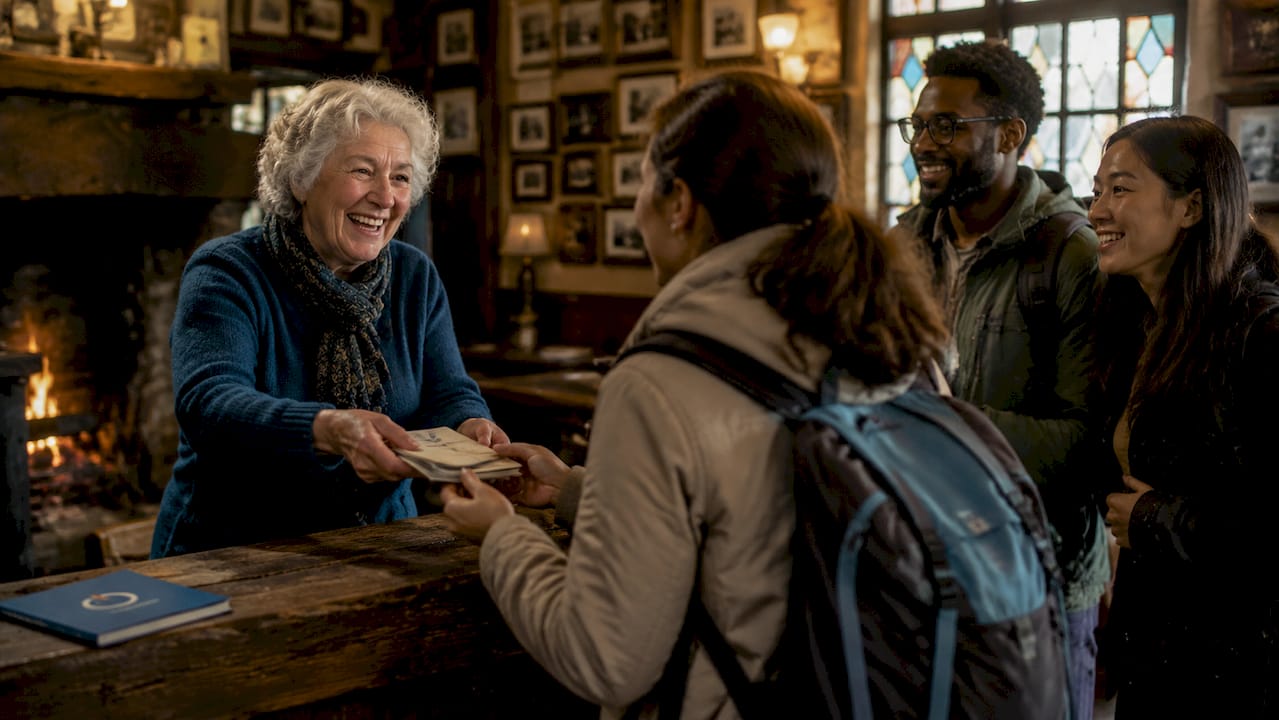
How to plan travel logistics and accommodation in Ireland in 2026
Planning a trip to Ireland in 2026 requires more lead time than most travellers expect. Accommodation pressure is significant because Ireland currently hosts nearly 100,000 displaced people, which has reduced availability in 3-star hotels and hostels across popular areas. Book accommodation at least three to four months ahead, particularly for visits between may and september.
Here is a practical checklist for logistics:
- Book your rental car early. Petrol costs in Ireland run to approximately €6.10 per litre equivalent as of early 2026. Larger vehicles like minivans are in short supply during peak season, so reserve as far ahead as possible.
- Choose your base locations wisely. Dublin suits urban exploration. Galway is the gateway to Connemara and the Wild Atlantic Way. Killarney serves the Ring of Kerry and Dingle Peninsula.
- Secure your valuables. Carry passports and phones in hidden pouches under clothing in busy tourist areas. Petty theft is a real risk in crowded spots.
- Use technology to stay connected. A travel data management checklist helps you keep documents, bookings, and maps accessible offline and online.
- Plan for the border. Crossing between the Republic and Northern Ireland is seamless for most travellers, but be aware that Northern Ireland uses sterling, not euro.
Pro Tip: Download Google Maps offline for the areas you plan to visit. Rural Ireland has patchy mobile coverage, and you do not want to be navigating narrow country lanes without a map.
What are the must-see attractions and best places to visit in Ireland?
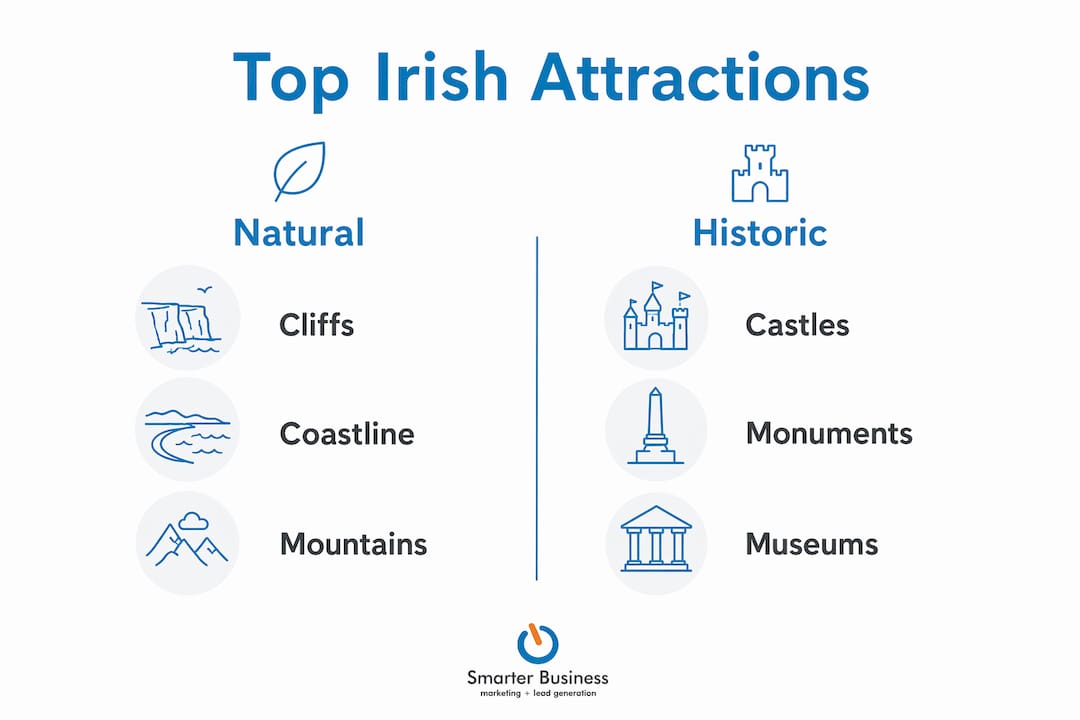
Ireland’s top attractions span ancient monuments, dramatic coastlines, and historic castles. The table below compares the most popular sites by type, location, and booking requirement.
| Attraction | Type | Location | Booking required? |
|---|---|---|---|
| Cliffs of Moher | Natural | County Clare | No (pay on arrival) |
| Newgrange | Archaeological | County Meath | Yes, OPW online |
| Blarney Castle | Historic castle | County Cork | Yes, recommended |
| Kilmainham Gaol | Cultural/historical | Dublin | Yes, OPW online |
| Giant’s Causeway | Natural | County Antrim | National Trust ticket |
OPW-managed sites like Newgrange and Kilmainham Gaol require tickets booked 28–30 days in advance, with booking opening at midnight Irish time. Miss that window and you miss the site entirely during busy periods.
Beyond the headline attractions, Ireland rewards those who wander. County Donegal offers some of the most dramatic scenery in Europe, yet sees a fraction of the crowds that descend on Kerry. The Burren in County Clare is a lunar limestone landscape unlike anything else on the island. The Rock of Cashel in County Tipperary is arguably more impressive than Blarney Castle and far less crowded.
- Visit before 10:00 AM or in mid-to-late afternoon at the Cliffs of Moher and Blarney Castle to avoid the worst of the coach tour crowds.
- Plan for at least seven days to cover a meaningful portion of the country.
- Dublin alone warrants two full days: Trinity College, the Book of Kells, the National Museum, and the Guinness Storehouse are each worth several hours.
What are essential travel tips and etiquette for respecting Irish customs?
Irish tipping culture is optional rather than obligatory. A modest tip for excellent service in a restaurant is appreciated, but nobody will chase you down the street if you do not leave one. This is a refreshing contrast to countries where tipping is effectively a surcharge.
Weather in Ireland is famously unpredictable. Pack layers, a waterproof jacket, and the willingness to laugh when it rains sideways in july. The weather is not a problem to be solved; it is part of the experience.
- Dress in layers. Conditions can shift from sunshine to heavy rain within an hour.
- Respect natural sites. Leave no trace at the Cliffs of Moher, the Burren, and coastal areas.
- Greet people. A simple “hello” or “how are you” goes a long way in rural areas.
- Avoid rushing. Irish social interactions move at their own pace, and trying to hurry them is considered rude.
Pro Tip: Many souvenir shops across Ireland offer shipping services for bulky items like Aran wool sweaters. Ship them home rather than wrestling them into your luggage.
How can visitors adapt their plans for a smooth Ireland experience?
A flexible itinerary is not a sign of poor planning in Ireland. It is the only sensible approach. Narrow roads, unexpected road works, and weather that changes its mind every twenty minutes mean that rigid schedules become a source of stress rather than structure.
Practical adaptations that make a real difference:
- Build buffer time between locations. What looks like a 45-minute drive on a map can take 90 minutes on a single-track road.
- Book OPW sites exactly 28–30 days before your visit. Set a calendar reminder for midnight Irish time.
- Cross the border to Northern Ireland with confidence. There are no checkpoints for EU or UK passport holders, and the transition is smooth.
- Ship heavy souvenirs home directly from the shop. Your back will thank you.
Managing travel data efficiently across multiple bookings, ferry timetables, and accommodation confirmations is far easier with a centralised digital system than with a folder of printed emails.
Key takeaways
Ireland rewards travellers who plan early, stay flexible, and engage genuinely with its culture and people.
| Point | Details |
|---|---|
| Book accommodation early | Ireland hosts nearly 100,000 displaced people, reducing hotel availability significantly in 2026. |
| Secure OPW tickets at midnight | Newgrange and Kilmainham Gaol tickets open 28–30 days ahead and sell out fast. |
| Keep valuables hidden | Use concealed pouches for passports and phones in busy tourist areas. |
| Tip modestly and optionally | Irish tipping is appreciated but never expected; leave a tip only for genuinely good service. |
| Stay flexible on the road | Narrow roads and volatile weather make loose itineraries far less stressful than rigid ones. |
What Ireland taught me about slowing down
I have worked with Irish SMEs since 2014, and I have watched countless business owners and visiting clients arrive in Ireland with a packed schedule and leave wishing they had done half as much and enjoyed twice as much. The country has a way of making you feel that rushing is a personal insult to the landscape.
The single most common mistake I see is treating Ireland like a checklist. Tick the Cliffs of Moher, tick Blarney Castle, tick the Guinness Storehouse, and then wonder why the trip felt thin. The real Ireland is in the unplanned hour in a Galway pub when a session starts up, or the wrong turn in Donegal that leads to a beach with no name and no other people on it.
My honest advice: book the big sites early, because the logistics are unforgiving. Then leave at least a third of your days genuinely open. Do not fill them. Let Ireland fill them for you. The country is small enough that you are never far from something extraordinary, and hospitable enough that strangers will point you towards it.
— Patrick Lennon
Planning your business and travel life in Ireland
Ireland is a country where relationships matter, whether you are building a business or planning a trip. At Smarterbusiness, we have spent over a decade helping Irish SMEs manage contacts, bookings, and client data without losing their minds to spreadsheets.

If you run a business that involves travel coordination, client management, or booking logistics, a well-configured Act! CRM solution keeps everything in one place and accessible from anywhere. Think of it as the organised travel companion your inbox was never designed to be. Smarterbusiness offers CRM consultancy tailored to how your business actually works, not how a software manual thinks it should. Reach out and see what a practical CRM setup looks like for your team.
FAQ
What is the population of Ireland?
The Republic of Ireland has a population of approximately 5.4 million, with Dublin home to over 1.5 million residents.
When is the best time to visit Ireland?
May to september offers the warmest and driest conditions, though accommodation books up quickly. Shoulder seasons in april and october offer fewer crowds and reasonable weather.
Do I need to book attractions in advance?
OPW-managed sites like Newgrange and Kilmainham Gaol require online booking 28–30 days ahead, with tickets releasing at midnight Irish time. Other sites like the Cliffs of Moher allow pay-on-arrival entry.
Is tipping expected in Ireland?
Tipping in Ireland is optional. A modest tip for excellent restaurant service is appreciated, but it is not the social obligation it is in some other countries.
Can I drive across the border into Northern Ireland?
Yes. The border between the Republic of Ireland and Northern Ireland is open, with no checkpoints for most travellers. Note that Northern Ireland uses sterling rather than euro.